Kamba

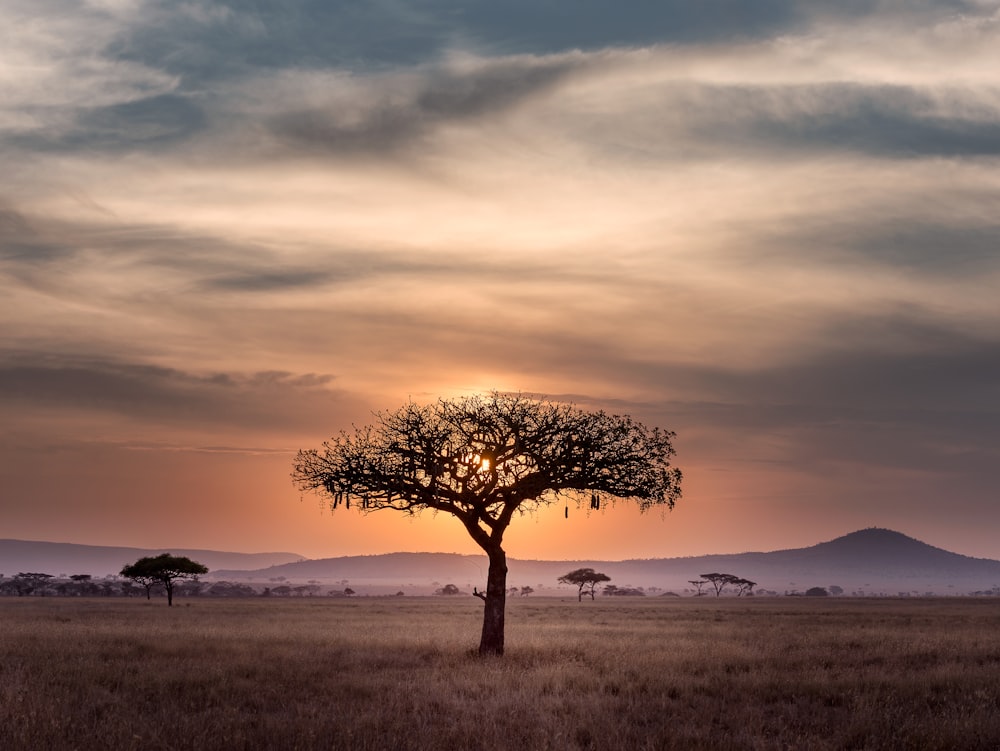
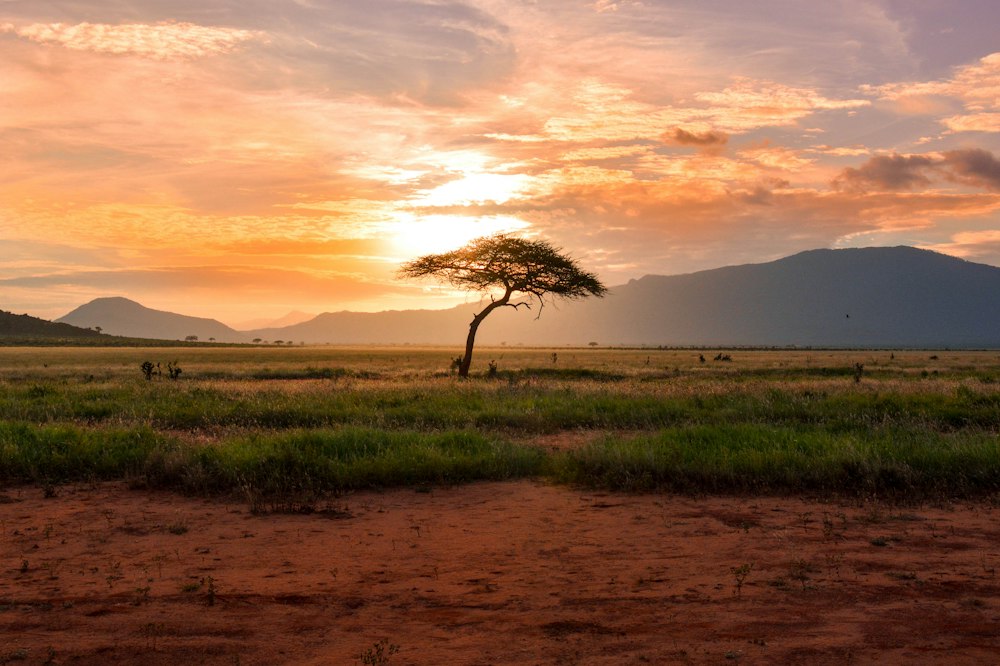
Kamba landscape
Moderate

Eastern Kenya

4 million native speakers

About Kamba

Kamba is a Bantu language spoken by the Kamba people of Kenya, primarily in the southeastern part of the country. With approximately 4 million speakers, it is one of Kenya's major languages. The Kamba language is known for its rich vocabulary and expressive idioms that reflect the community's agricultural heritage and cultural practices.

Kamba Historical Context

Kamba Language Timeline

Pre-Colonial
Early
Late
Post-Independence
Digital

Origins and Early Development

The Kikuyu language developed among agricultural communities in the central highlands of Kenya. Oral traditions were the primary means of cultural transmission, with rich storytelling traditions and ceremonial language.

Language Impact: Development of specialized vocabulary for agriculture, social organization, and spiritual practices.

First Written Forms

Christian missionaries, particularly from the Church of Scotland Mission, developed the first writing system for Kikuyu. The first Kikuyu Bible portions were translated, and literacy in Kikuyu began to spread through mission schools.

Language Impact: Standardization of written Kikuyu, introduction of Latin alphabet, and beginning of formal Kikuyu literature.

Cultural Resistance and Preservation

During the struggle for independence, Kikuyu language became a symbol of cultural identity and resistance. Independent schools movement promoted Kikuyu language education. The Mau Mau uprising used Kikuyu language as a unifying force.

Language Impact: Development of political vocabulary, secret codes, and oath terminology. Strengthening of language as cultural identity marker.

Vernacular Broadcasting and Education

After independence, Kikuyu language media emerged, including radio broadcasting. However, English and Swahili dominated formal education, leading to concerns about language erosion among younger generations.

Language Impact: Adaptation to modern contexts, borrowing from English and Swahili, development of urban dialects.

Digital Revival and Preservation

Digital technologies have created new platforms for Kikuyu language use, including social media, apps, and online resources. Community efforts to document and preserve the language have increased.

Language Impact: Development of digital terminology, keyboard layouts, and language learning resources. Integration of Kikuyu into modern technological contexts.

Common Phrases

Uvoo waku

How are you

Ni museo

I am fine

Ni vea

Thank you

Cultural context

Cultural Context

Learning Kamba connects you with the rich cultural heritage of the Eastern Kenya. The language reflects the values, traditions, and worldview of its speakers, offering insights into their way of life, social structures, and historical experiences.

By mastering Kamba, you'll gain a deeper understanding of Kenyan culture and be able to engage more meaningfully with native speakers and their communities.

Ready to start learning Kamba?

Choose a course to begin your journey with this beautiful language

Start Learning